Pressure Washing vs. Soft Washing: Which One Does Your Home Actually Need?
They're not the same service. Use pressure on the wrong surface and you'll chip stucco or strip paint. Here's the cheat sheet.
Every week we get called out to repair damage caused by someone using pressure washing on a surface that needed soft washing — or vice versa. The two techniques are not interchangeable. Understanding the difference will save you thousands in avoidable repairs and give you dramatically better cleaning results.
Pressure washing in one line
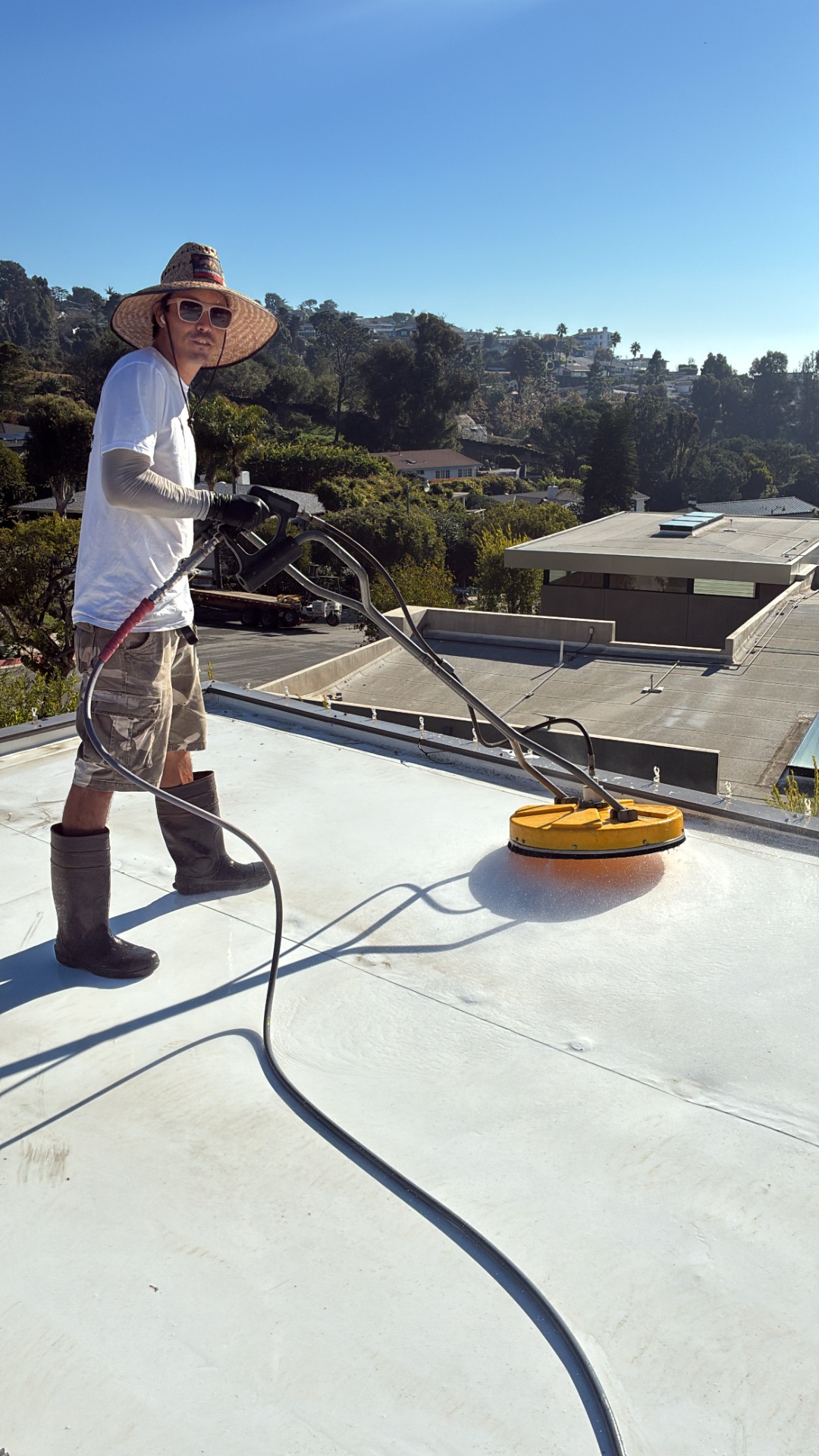
Pressure washing uses high-PSI water (usually 2,500–4,000 PSI) to physically blast contaminants off a hard surface. The pressure does the work. It is fast, aggressive, and perfect for durable substrates that can take a beating.
Soft washing in one line
Soft washing uses low pressure (under 500 PSI, often garden-hose pressure) plus biodegradable detergents that dwell on the surface, kill organic growth, then rinse clean. The chemistry does the work. It's gentle, thorough, and safe for delicate finishes.
When to use pressure washing
- Concrete driveways, walkways, and patios
- Brick and stone pavers
- Pool decks and coping
- Retaining walls and stairs
- Garage floors
- Commercial parking areas and sidewalks
When to use soft washing
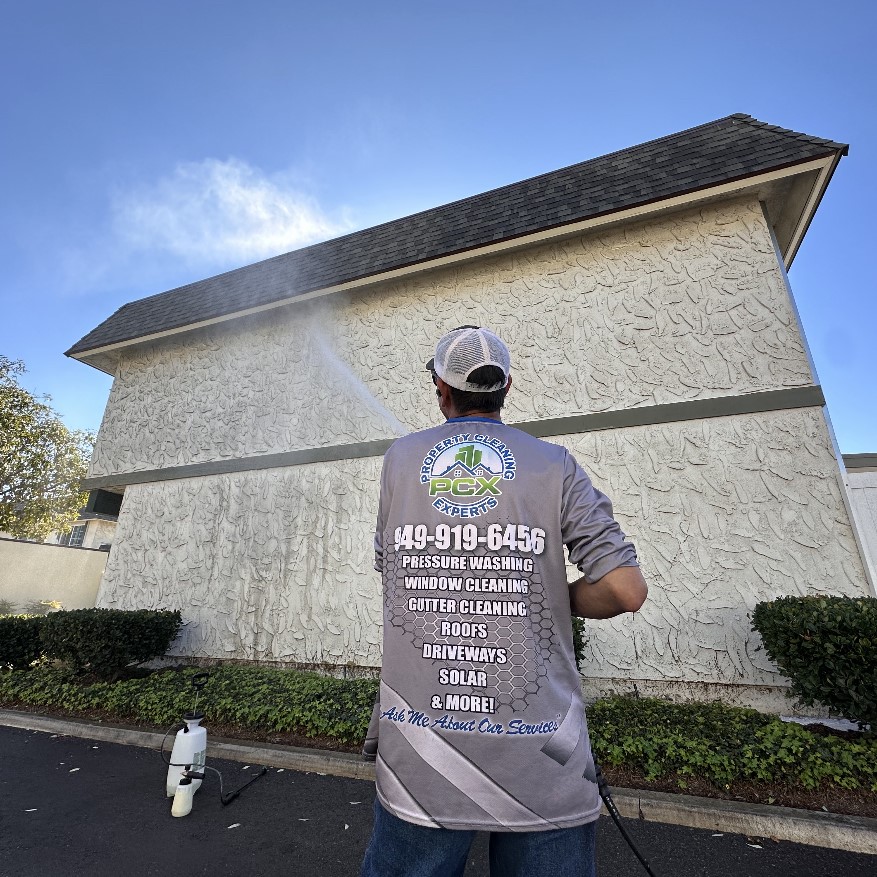
- Stucco (any texture)
- Painted siding, Hardie board, and wood
- Vinyl siding
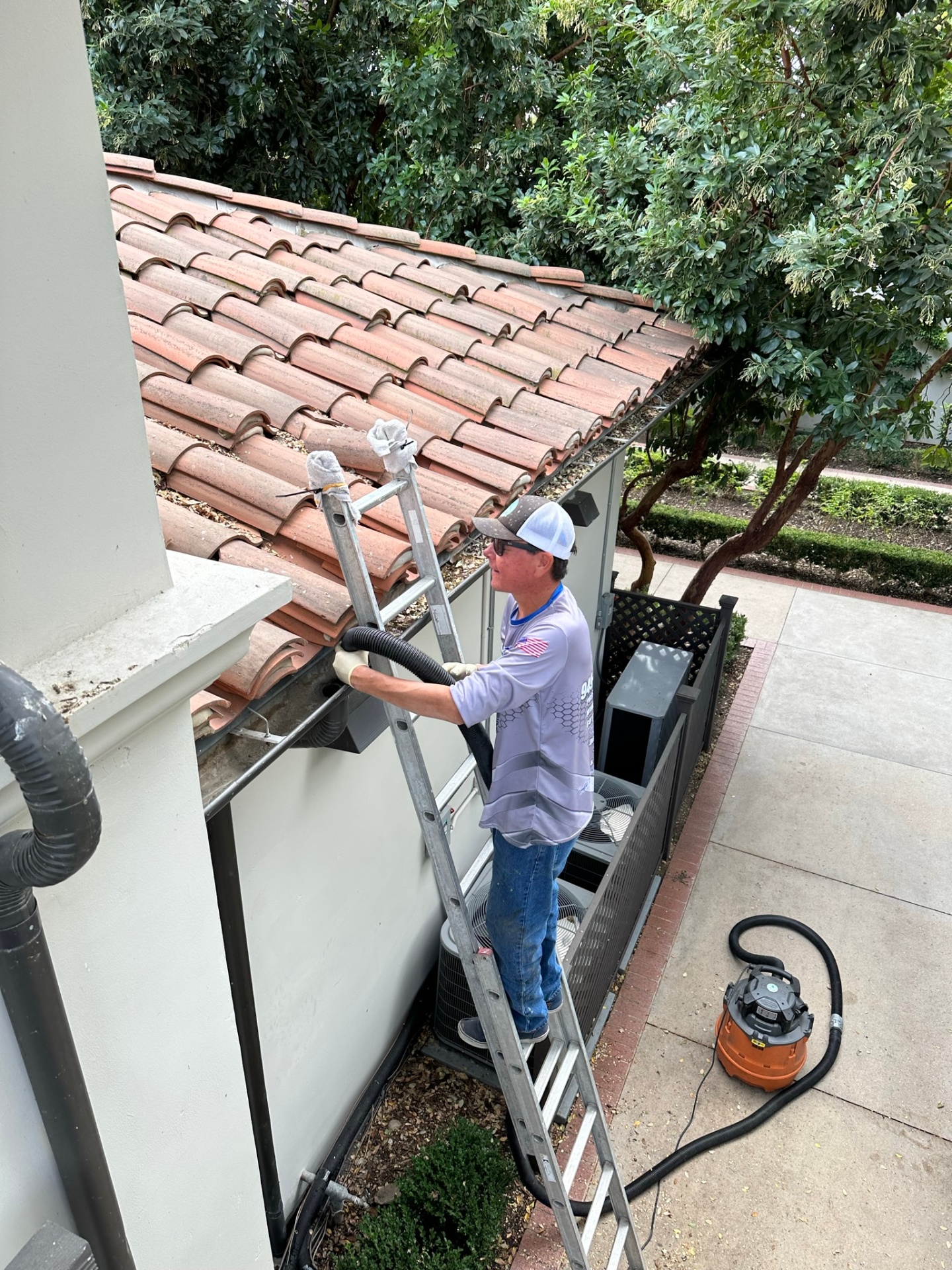
- Tile, composition, and shake roofs
- Eaves, soffits, fascia, and trim
- Solar panels
- Awnings, screens, and outdoor fabrics
The damage list — what happens when you get it wrong
- Pressure on stucco: chips finish, forces water behind the substrate, and can rot sheathing months later
- Pressure on wood: gouges grain, splinters siding, and destroys stain
- Pressure on a roof: voids the manufacturer warranty on most tile and asphalt roofs, and drives water under the underlayment
- Pressure on windows: blows out seals on dual-pane glass, leading to permanent fog
- Soft wash on old, oil-stained concrete: won't remove the stain — you need pressure plus a degreaser
The pro workflow: use both together
A real exterior wash almost always uses both methods on the same visit. Soft wash the house, roof, and eaves. Pressure wash the driveway, patio, and walkways. That's how you get a fully clean property without damaging anything.
Frequently asked questions
Is a soft wash actually cleaning if there's no high pressure?
Yes — often better. Detergents kill mildew and algae at the root, so the surface stays cleaner far longer than a pressure-only rinse where the spores survive.
Can I rent a pressure washer and do it myself?
You can, but rented units usually top out around 2,000 PSI with no surface cleaner and no hot water — you'll get streaks, tiger stripes, and uneven results. And rented units have no detergent injector, so soft washing isn't an option.